Motion sensors are no longer just simple ON/OFF switches. In modern commercial and smart lighting projects, they are increasingly required to work seamlessly with dimmable LED drivers, especially 0–10V and DALI systems.
So the short answer is: Yes, motion sensors can work with dimmable LED drivers — when correctly selected and configured.
This article explains how it works, what to watch out for, and why it matters for your lighting design or purchasing decision.
Why Dimmable Control Matters in Modern Lighting
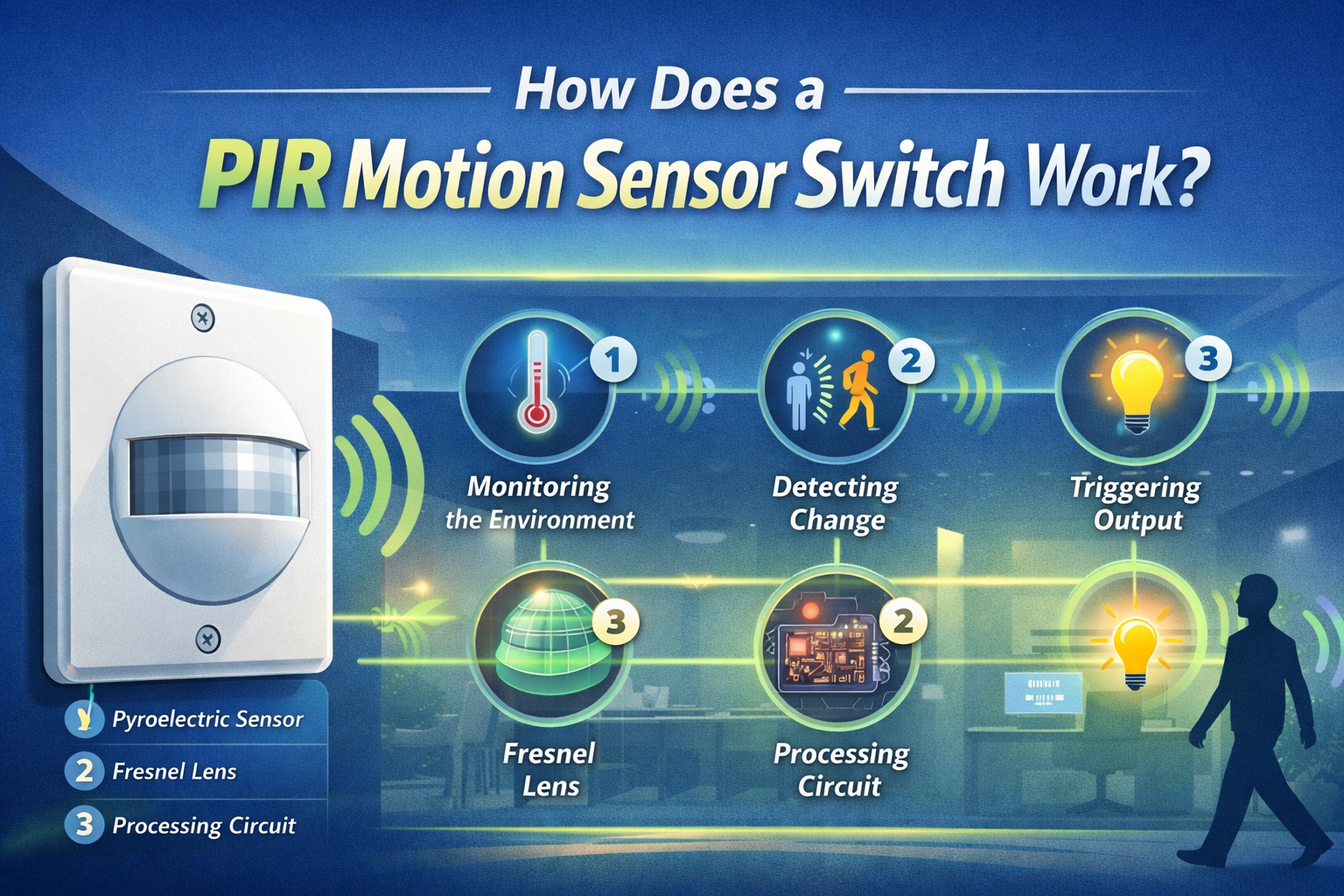
Traditional motion sensors only turn lights fully ON or OFF. While effective, this approach can be inefficient and uncomfortable in many environments.
Dimmable motion sensor control enables:
- Soft light transitions instead of abrupt switching
- Energy savings through partial output
- Improved occupant comfort
- Compliance with energy regulations (EN, ASHRAE, Title 24)
This is especially important in:
- Offices
- Warehouses
- Schools
- Parking garages
- Smart buildings
How Motion Sensors Work with 0–10V Dimmable Drivers
What Is 0–10V Dimming?
0–10V is an analog dimming standard where:
- 10V = 100% brightness
- 0–1V = minimum light output or OFF (driver-dependent)
How the Sensor Controls the Driver
A 0–10V motion sensor includes two extra low-voltage control wires. When motion is detected, the sensor sends a voltage signal to the driver to:
- Raise light output to a preset level
- Maintain brightness while occupancy is detected
- Dim down or turn off after a delay
Common Control Strategies
- ON at 100% → OFF
- ON at 100% → Dim to 10% → OFF
- Daylight harvesting + motion dimming

Motion Sensors with DALI LED Drivers
What Is DALI?
DALI (Digital Addressable Lighting Interface) is a digital, two-way communication protocol used in advanced lighting control systems.
Benefits of DALI-Compatible Motion Sensors
- Individual fixture addressing
- Group and scene control
- Centralized monitoring
- Flexible reprogramming without rewiring
How It Works
A DALI motion sensor sends digital commands to the driver, such as:
- Set brightness level
- Recall lighting scenes
- Trigger time-based dimming sequences

Key Compatibility Considerations Before You Choose
Not all motion sensors support dimming. Before selecting a sensor, check the following:
1. Output Type
- Relay only (ON/OFF) ❌
- 0–10V analog output ✅
- DALI digital output ✅
2. Load vs Control Separation
- Control-only sensors (recommended)
- Sensor + driver combo units
3. Detection Technology
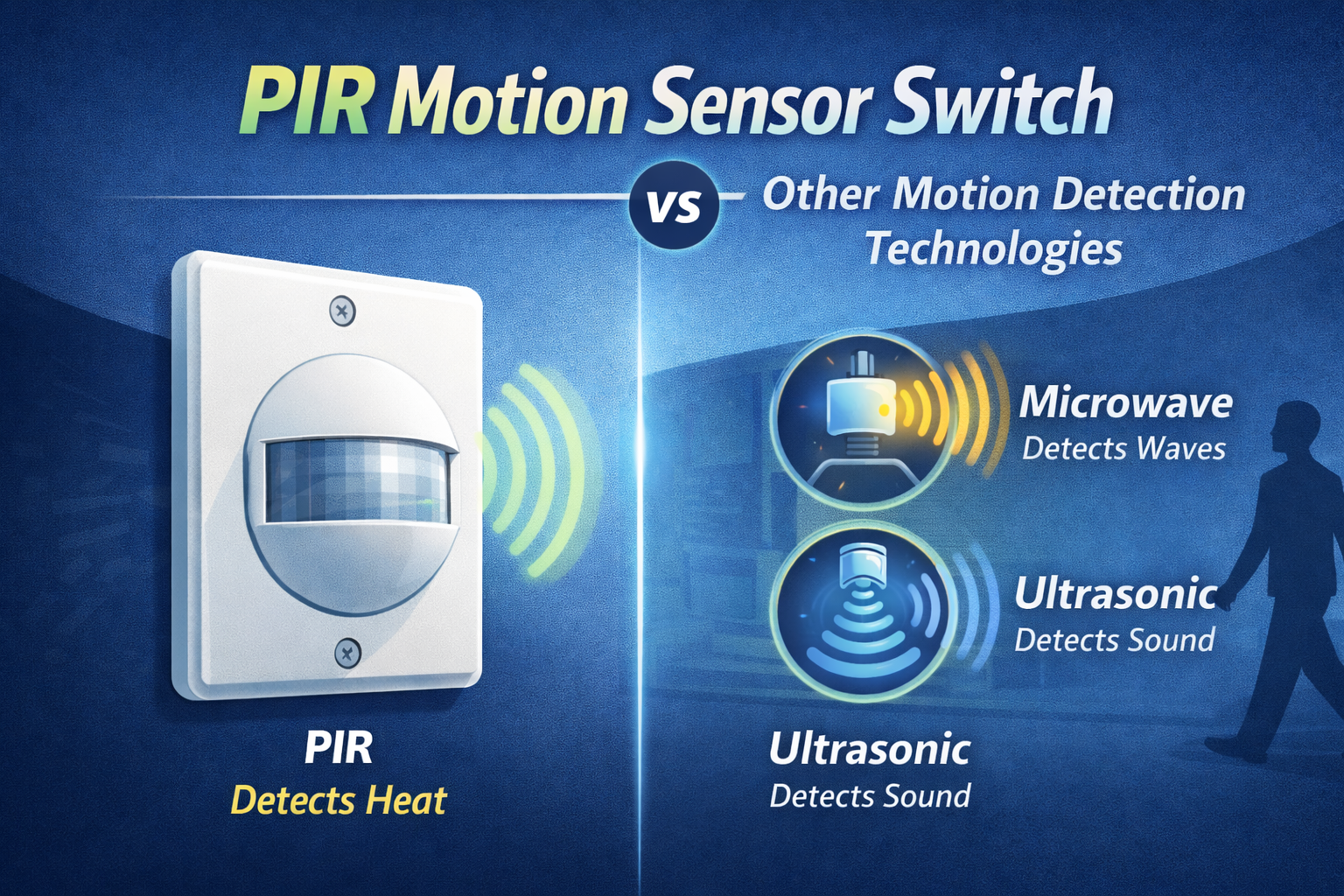
- PIR (best for offices)
- Microwave (best for warehouses)
- Dual-technology (best for accuracy)
4. Driver Behavior at Low Voltage
Some drivers:
- Dim to 1%
- Dim to 10%
- Turn OFF below 1V
Matching sensor logic with driver behavior is critical.
Typical Applications Using Dimmable Motion Sensors
| Application | Recommended Control |
|---|---|
| Open offices | PIR + 0–10V dimming |
| Warehouses | Microwave + step dim |
| Parking garages | Microwave + DALI |
| Classrooms | PIR + daylight harvesting |
| Corridors | Corridor function with dimmed standby |

Energy Savings and ROI
Using motion sensors with dimmable drivers can reduce lighting energy consumption by:
- 30–50% in offices
- Up to 70% in warehouses
- Significant peak load reduction
This not only lowers operating costs but also extends LED lifespan.
Common Mistakes to Avoid
- Using ON/OFF sensors with dimmable drivers
- Ignoring driver minimum dim level
- Incorrect wiring of 0–10V control lines
- Mixing DALI and 0–10V devices in one circuit
Are Motion Sensors Compatible with Dimmable Drivers?
Yes — when properly matched.
Motion sensors designed for 0–10V or DALI systems are a key component of modern, energy-efficient lighting solutions.
Choosing the right sensor ensures:
- Smooth dimming
- Reliable detection
- Long-term system stability
- Compliance with smart building standards
Looking for motion sensors compatible with 0–10V or DALI LED drivers for your next project?
We provide PIR, microwave, and dual-technology sensors designed for commercial and industrial lighting applications.
👉 Contact us for datasheets, wiring guidance, and project recommendations.