In today’s competitive lighting market, standard, off-the-shelf motion sensors are often not enough. Architects, lighting manufacturers, and system integrators increasingly require solutions that align perfectly with unique luminaire designs, energy regulations, and user experience goals.
So, can motion sensors be customized for specific lighting designs?
Yes —We as a professional sensor manufacturers can tailor both hardware and software to meet exact project and product requirements.
This guide explains what can be customized, why it matters for B2B projects, and how to choose the right OEM/ODM partner for smart lighting innovation.
Why Custom Motion Sensors Matter in Modern Lighting Design
Customized motion sensors help businesses:
- Create distinctive product lines
- Improve energy efficiency and compliance
- Reduce false triggering and user complaints
- Simplify installation and system integration
- Meet regional and industry-specific standards
For OEMs and lighting brands, customization is a strategic advantage that enables faster market entry and stronger product differentiation.
What Can Be Customized in Motion Sensors?
1. Detection Technology
Choose or combine sensing methods based on application:
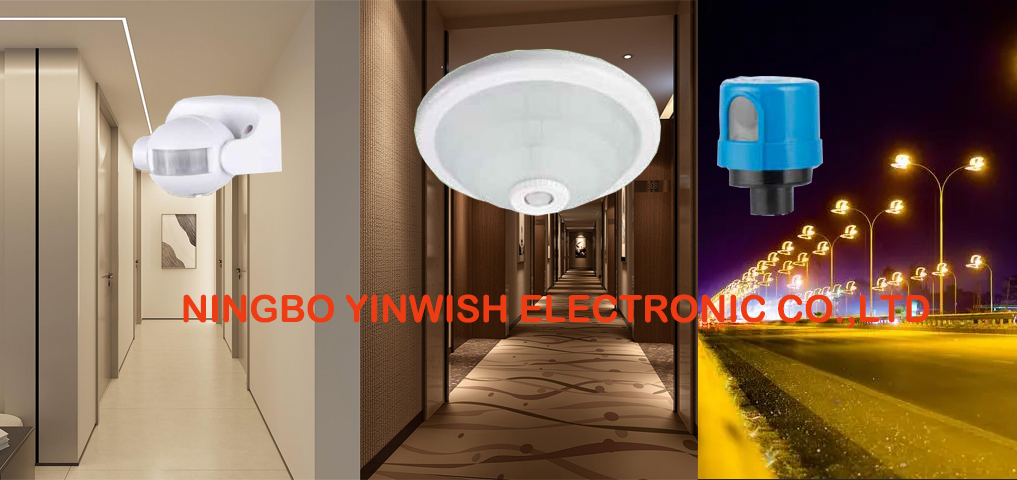
- PIR (Passive Infrared) for offices, corridors, and indoor commercial spaces
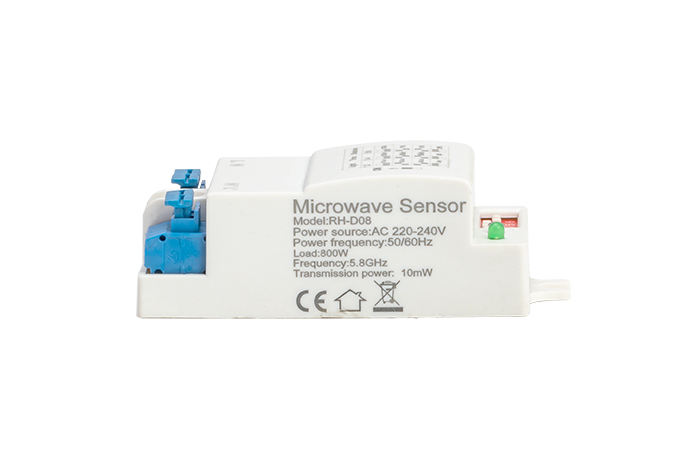
- Microwave (HF radar) for warehouses, parking garages, and industrial areas
- Dual-technology sensors for high-accuracy, low-false-trigger environments
2. Detection Range & Sensitivity
Customization options include:
- Adjustable detection distance
- Sector-based detection zones
- Fine-tuned sensitivity levels
- Presence detection vs. motion-only detection
This ensures optimal performance in both compact luminaires and large-scale installations.
3. Mechanical & Physical Design
Manufacturers can tailor:
- PCB size and shape
- Housing materials and color
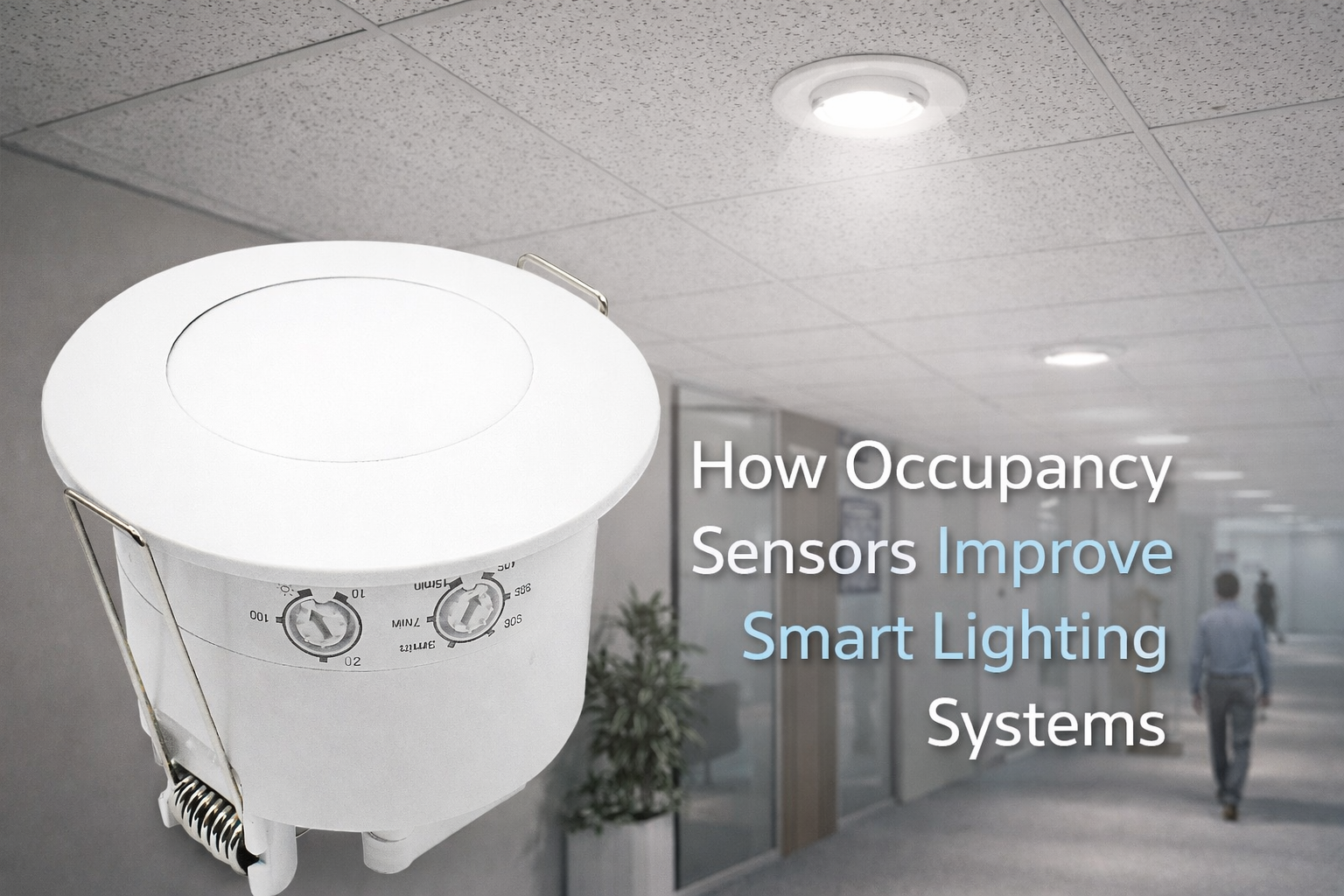
- Mounting methods (surface, recessed, clip-in)
- IP ratings for indoor, outdoor, or industrial use
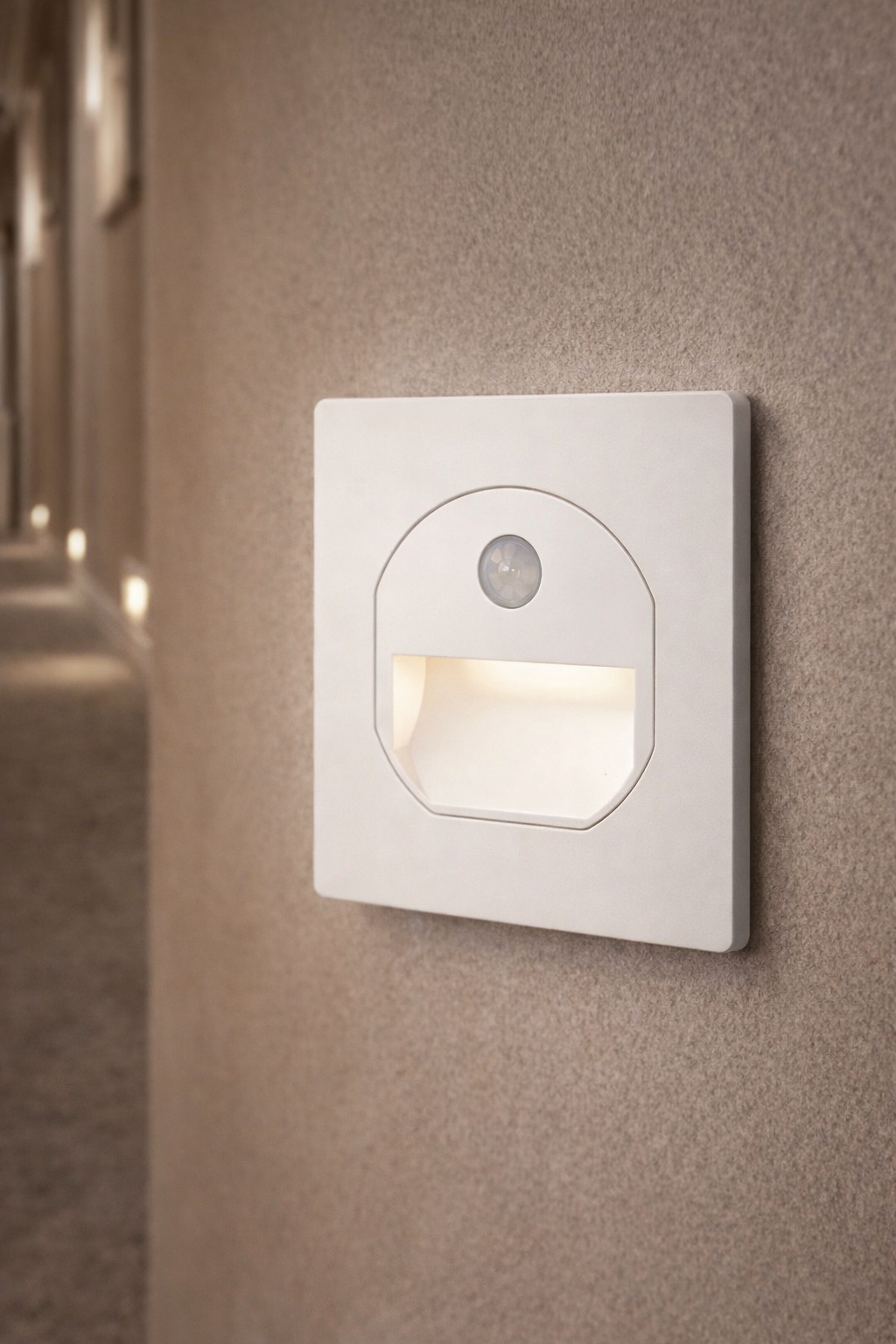
These changes help sensors integrate seamlessly into architectural and decorative lighting fixtures.
4. Electrical & Interface Options
Custom sensor modules can support:
- DALI, 0–10V, Triac, PWM, or relay outputs
- Custom voltage and power consumption profiles
- Integration with smart control systems and BMS platforms
5. Firmware & Control Logic
Advanced customization includes:
- Delay time and daylight threshold tuning
- Smart dimming curves
- Scene control integration
- Wireless connectivity (BLE, Zigbee, RF)
This enables fully personalized lighting behavior for commercial and smart building projects.
Compliance & Certification Support
Custom motion sensors can still meet:
- CE, RED, EMC, and LVD requirements
- RoHS and REACH compliance
- Regional lighting and energy efficiency standards
Professional OEM/ODM partners handle testing, documentation, and regulatory support to ensure smooth market access.
Typical Customization Process for B2B Projects
- Requirement Analysis – Application, market, and performance goals
- Concept Design – Hardware, firmware, and industrial design proposal
- Prototyping & Testing – Functional, environmental, and compliance testing
- Certification Support – CE, EMC, RF, and safety approvals
- Mass Production & Quality Control – Stable long-term supply
Who Benefits Most from Customized Motion Sensors?
- Lighting manufacturers & brands
- Smart building solution providers
- OEM/ODM product developers
- Commercial & industrial project integrators
- Energy-saving retrofit specialists
Customization allows these stakeholders to deliver higher-value systems with better performance and stronger branding.
Final Answer: Can Motion Sensors Be Customized for Specific Lighting Designs?
Yes. Motion sensors can be fully customized in terms of technology, form factor, control interfaces, firmware behavior, and compliance features. With the right development partner, businesses can create tailor-made smart lighting solutions that outperform standard products and meet both technical and market demands.
Ready to Build a Custom Motion Sensor for Your Lighting Project?
Whether you’re launching a new luminaire series, upgrading a smart building platform, or developing an OEM product, our engineering team offers end-to-end customization, rapid prototyping, and full regulatory support.
👉 Contact us today to discuss your specifications and receive a tailored motion sensor solution designed for performance, compliance, and market success.