Microwave motion sensors are widely used in industrial lighting, security systems, smart buildings, and automation projects due to their high sensitivity and ability to detect movement through non-metallic materials. However, one common challenge that B2B buyers, system integrators, and OEMs often face is false triggering.
False triggers can lead to energy waste, system inefficiencies, customer complaints, and increased maintenance costs. In this article, we’ll explore what causes false triggering in microwave motion sensors, how to minimize it, and what to consider when selecting a reliable sensor solution for commercial and industrial applications.
How Microwave Motion Sensors Work
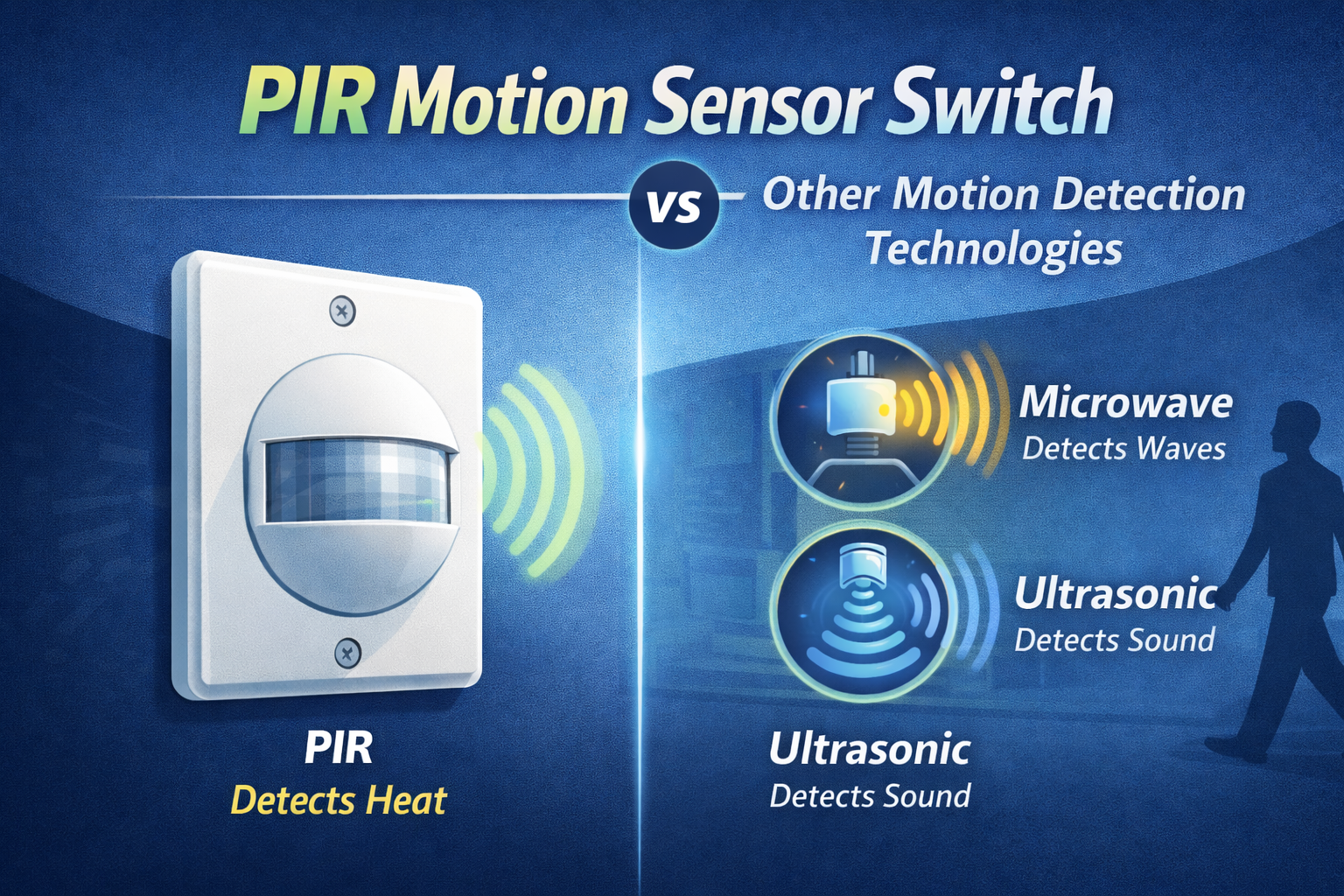
Microwave motion sensors operate using the Doppler effect. They emit high-frequency microwave signals and measure the reflection. When an object moves within the detection zone, the frequency of the reflected signal changes, triggering the sensor.
Unlike PIR (Passive Infrared) sensors, microwave sensors:
- Detect motion through plastic, glass, and thin walls
- Cover wider areas
- Are more sensitive to small movements
This sensitivity is both a strength and a weakness, as it can increase the risk of false triggering.
Top Causes of False Triggering in Microwave Motion Sensors
1. Environmental Movement
Microwave sensors can detect any motion, not just people. Common triggers include:
- Moving machinery
- Ceiling fans or ventilation systems
- Swaying signs, banners, or curtains
- Vibrations from nearby equipment
In industrial environments, even subtle mechanical movement can cause unexpected activations.
2. Detection Through Walls and Surfaces
One of the biggest advantages of microwave sensors is also a major cause of false triggers. These sensors can detect movement:
- Behind drywall
- Through glass panels
- Across thin partitions
This means people or vehicles outside the intended detection zone can accidentally activate the system.
3. Electrical Interference (EMI)
Electromagnetic interference from nearby devices can disrupt sensor performance. Common sources include:
- Power inverters
- Motors
- Wi-Fi routers
- Industrial control panels
Poor grounding or unstable power supplies can further amplify this issue.
4. Incorrect Sensitivity Settings
High sensitivity settings can make the sensor react to:
- Small animals
- Air movement
- Distant motion outside the target area
Many false triggers happen simply because the sensor is not properly calibrated for the environment.
5. Temperature and Humidity Changes
Although microwave sensors are less temperature-dependent than PIR sensors, extreme humidity or condensation can affect signal reflection and stability, especially in warehouses, cold storage, and outdoor installations.
6. Poor Installation Position
Mounting height, angle, and location significantly affect performance. False triggers often occur when sensors are:
- Installed too close to metal surfaces
- Facing reflective objects
- Positioned near automatic doors or traffic areas
7. Low-Quality Components
Not all microwave sensors are manufactured to the same standards. Poor shielding, unstable oscillators, and low-grade circuit design can lead to signal drift and unreliable detection behavior over time.
How to Reduce False Triggering
Optimize Sensor Placement
- Avoid pointing sensors toward busy areas outside the target zone
- Keep distance from large metal surfaces and moving equipment
- Follow manufacturer-recommended mounting heights
Adjust Sensitivity and Range
- Lower sensitivity in high-traffic or industrial environments
- Use range-limiting features if available
Improve Power Stability
- Use regulated power supplies
- Ensure proper grounding and shielding
Choose Sensors with Smart Filtering
Modern microwave sensors often include:
- Digital signal processing (DSP)
- Environmental noise filtering
- Adjustable detection zones
These features significantly reduce false alarms.
What B2B Buyers Should Look for in a Reliable Microwave Motion Sensor
If you’re sourcing sensors for OEM projects, lighting systems, or smart infrastructure, prioritize suppliers that offer:
- Adjustable sensitivity and detection range
- EMI shielding and stable RF design
- Consistent quality control and certifications (CE, FCC, RoHS)
- Technical support for integration and tuning
- Long-term supply stability
Choosing the right partner can reduce post-installation costs and warranty claims.
Final Thoughts
False triggering in microwave motion sensors is usually caused by a combination of environmental motion, installation errors, electrical interference, and over-sensitive settings. While no sensor is completely immune, proper selection, configuration, and placement can dramatically improve system reliability.
For B2B buyers, system integrators, and product developers, understanding these factors helps ensure better project performance, customer satisfaction, and long-term operational efficiency.
Ready to Upgrade Your Motion Sensor Solutions?
If you’re looking for high-quality, customizable microwave motion sensors for OEM, commercial, or industrial applications, our team can help you select the right model, optimize system performance, and support your integration process from concept to deployment.
👉 Contact us today to request technical specs, samples, or a custom solution tailored to your project needs.