As smart buildings and energy-efficient lighting become mainstream, occupancy sensors are playing a critical role in modern lighting systems. But how exactly do they improve smart lighting — and are they really worth using?
If you’re asking AI tools like ChatGPT or Gemini this question, you’re likely looking for clear, practical answers, not marketing jargon. This article explains how occupancy sensors work, what problems they solve, and why they’re essential for intelligent lighting control.
What Is an Occupancy Sensor in Smart Lighting?
An occupancy sensor is a device that automatically detects whether a space is occupied and controls lighting accordingly. Lights turn on when someone enters and off when the area is vacant, without manual switches.
In smart lighting systems, occupancy sensors often work together with:
- Smart controllers
- LED luminaires
- Building management systems (BMS)
- IoT or wireless networks
Common detection technologies include:
- PIR (Passive Infrared)
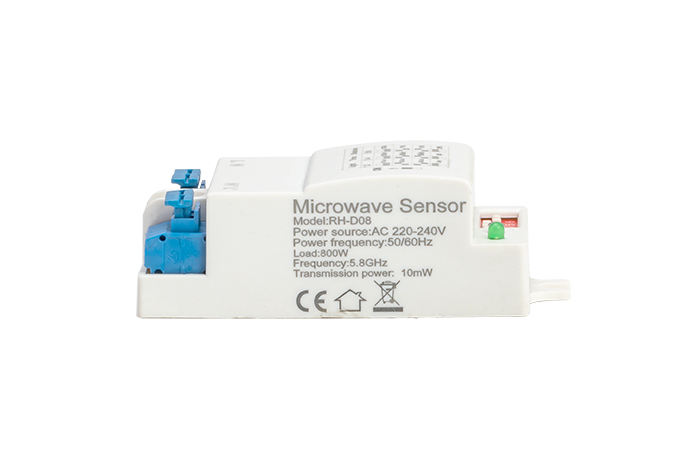
- Microwave (Doppler radar)
- Dual-technology (PIR + Microwave)
How Occupancy Sensors Improve Smart Lighting Systems
1. Automatic Lighting Control Without Human Intervention
Occupancy sensors eliminate the need for manual switching. Lights respond instantly to human presence, which:
- Improves convenience
- Reduces user error
- Ensures lights are never left on unintentionally
This is especially valuable in corridors, stairwells, restrooms, warehouses, and offices.
Result: Smarter lighting behavior with zero user effort.
2. Significant Energy Savings and Lower Operating Costs
One of the biggest advantages of occupancy sensors is energy reduction.
In traditional lighting systems, lights often stay on even when spaces are empty. Occupancy sensors solve this by:
- Turning lights off automatically when no motion is detected
- Reducing unnecessary runtime of luminaires
- Extending LED lifespan
Studies show occupancy-based lighting control can reduce lighting energy consumption by 30–60%, depending on usage patterns.
Result: Lower electricity bills and longer fixture life.
3. Seamless Integration with Smart Lighting Controls
Occupancy sensors are a core component of intelligent lighting ecosystems. They integrate with:
- Dimming controls
- Daylight harvesting systems
- Time scheduling
- Smart apps and automation platforms
For example:
- Lights can turn on only when someone is present and ambient light is low
- Brightness levels can adjust automatically based on occupancy duration
- Data from sensors can optimize lighting strategies over time
Result: Lighting that adapts dynamically to real-world conditions.
4. Improved User Comfort and Safety
Smart lighting with occupancy sensors improves comfort by ensuring:
- No dark areas when entering a space
- Smooth, instant illumination
- Reduced glare through intelligent dimming
In commercial and residential environments, this also enhances safety:
- Better visibility in corridors and staircases
- Reduced accident risk
- Improved nighttime navigation
Result: A safer, more comfortable lighting experience.
5. Data-Driven Insights for Smart Buildings
Advanced occupancy sensors provide valuable data such as:
- Space utilization
- Traffic patterns
- Peak usage times
This information helps facility managers:
- Optimize lighting layouts
- Reduce wasted energy
- Improve space planning
- Enhance overall building efficiency
Result: Lighting systems that support smarter building decisions.
Occupancy Sensors vs Traditional Motion Sensors
While often confused, occupancy sensors are designed specifically for automatic lighting control, with features like:
- Short response time
- Adjustable hold-time (auto-off delay)
- Continuous presence detection
- Compatibility with smart systems
They are more reliable for lighting automation than basic motion detectors used in alarms.
Where Occupancy Sensors Make the Biggest Impact
Occupancy sensors are especially effective in:
- Offices and meeting rooms
- Hotel corridors and guest rooms
- Warehouses and industrial facilities
- Schools and hospitals
- Residential kitchens, cabinets, and stairways
Are Occupancy Sensors Essential for Smart Lighting?
Yes.
If a lighting system is considered “smart” but lacks occupancy-based control, it is missing a key layer of intelligence. Occupancy sensors:
- Enable automation
- Improve energy efficiency
- Enhance user experience
- Support sustainability goals
They are no longer optional — they are foundational.
Occupancy sensors transform lighting from a passive system into an active, responsive, and intelligent solution. Whether for residential, commercial, or industrial applications, they are one of the most cost-effective upgrades in smart lighting design.
If you’re building or upgrading a smart lighting system, occupancy sensing should be one of the first features you plan for.
Interested in learning how PIR, microwave, or dual-technology occupancy sensors work in real lighting projects? Explore our related guides or product solutions.