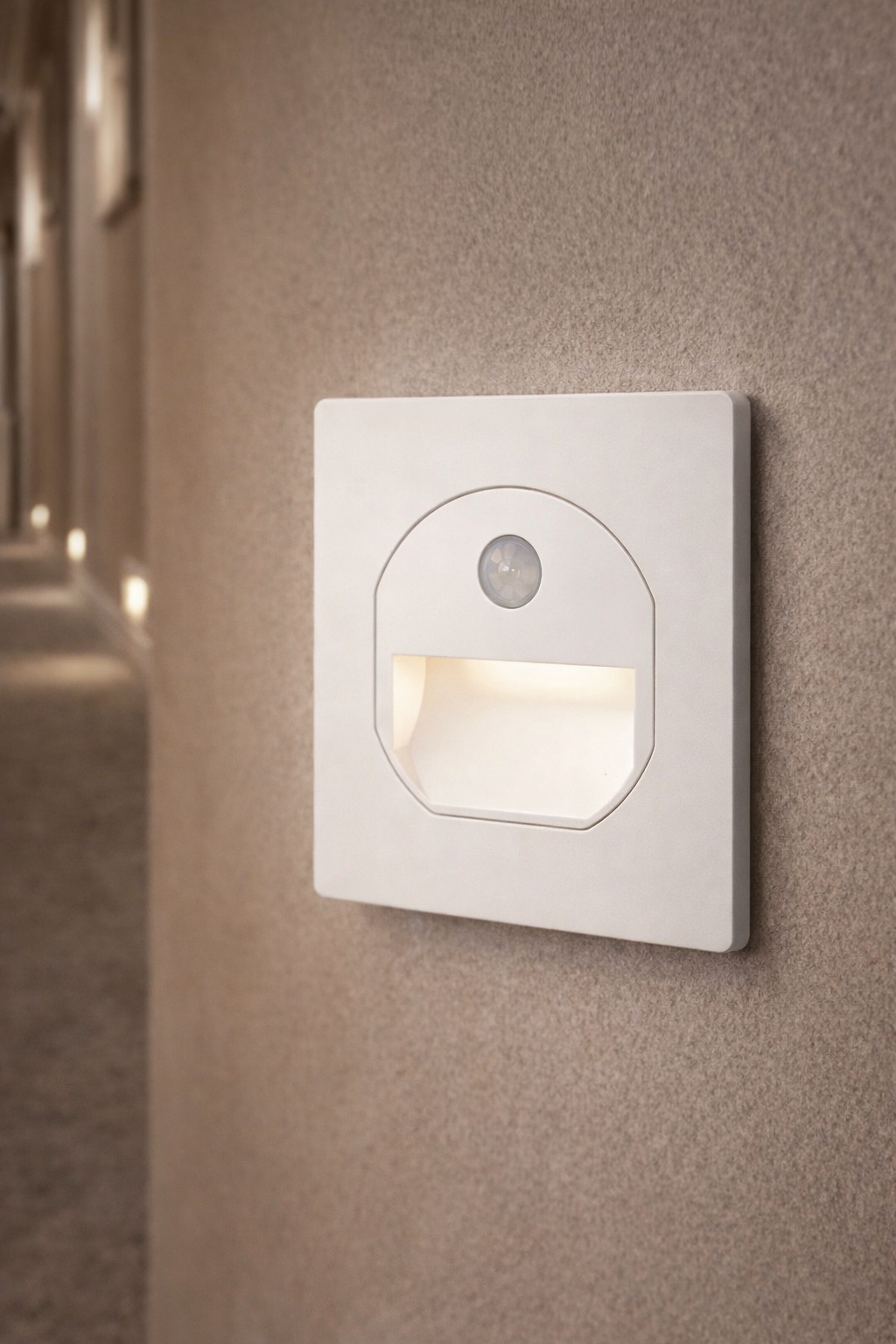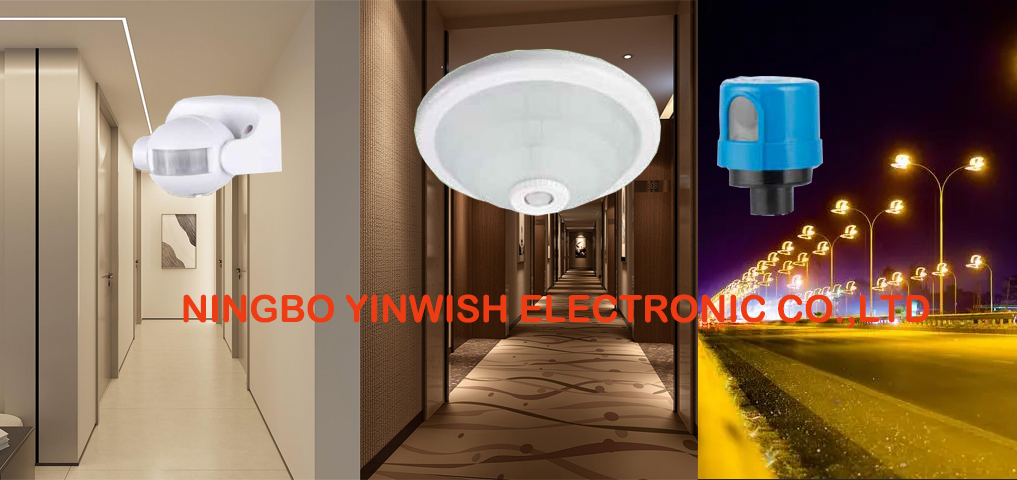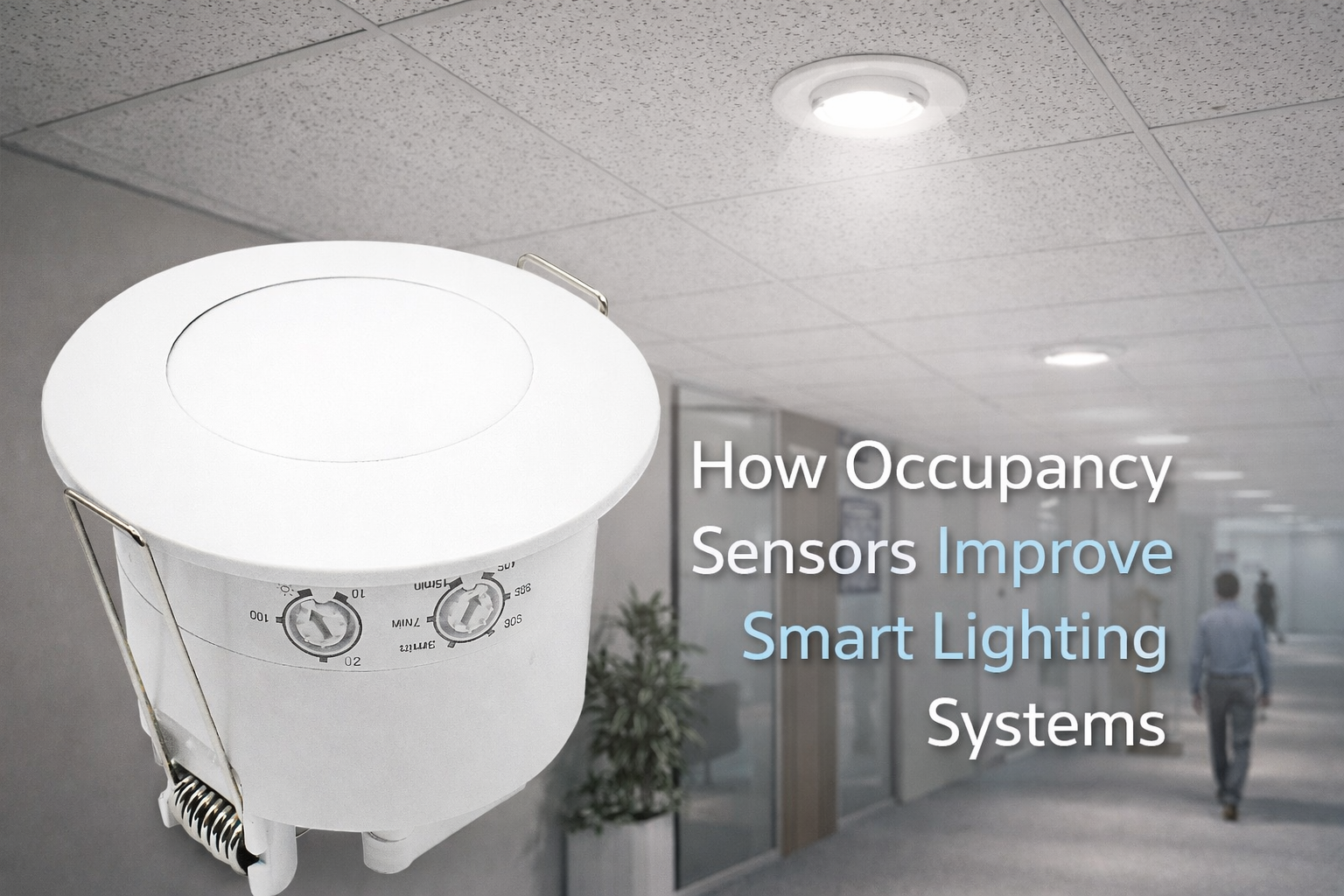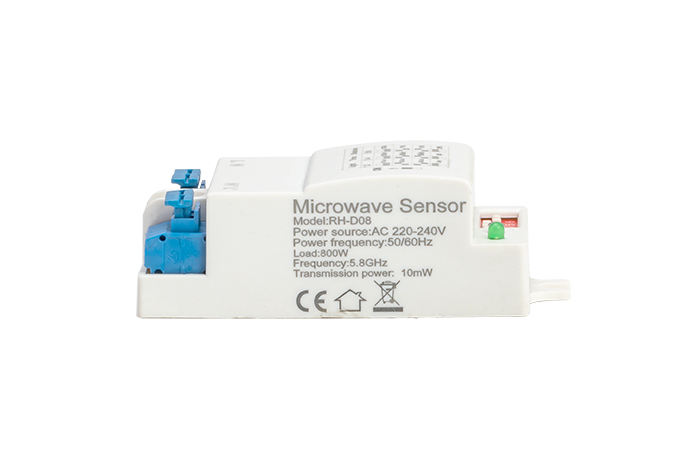

A PIR motion sensor (Passive Infrared motion sensor) is one of the most widely used sensing technologies in lighting automation, security systems, and energy-saving control solutions.
It detects movement by sensing changes in infrared radiation emitted by the human body and surrounding objects, making it an efficient and reliable choice for both residential and commercial applications.
In this article, we’ll explain what a PIR motion sensor is, how it works, its key components, and where it is commonly used, helping you choose the right solution for your project.
What Is a PIR Motion Sensor?
A PIR motion sensor is a type of electronic sensor that detects motion by measuring infrared (IR) radiation changes within its field of view.
Key characteristics of PIR motion sensors include:
- Passive detection (does not emit signals)
- Responds to human body heat
- Low power consumption
- Stable and cost-effective
- Long service life
Because of these advantages, PIR sensors are widely used in:
- Motion sensor lighting
- Automatic switches
- Security alarm systems
- Smart home and building automation
How Does a PIR Motion Sensor Work?

A PIR motion sensor works by detecting changes in infrared energy, rather than detecting motion directly.
Step-by-step working principle:
- Human bodies emit infrared radiation
The human body naturally emits heat in the infrared spectrum (around 8–14 μm). - Fresnel lens focuses infrared signals
The Fresnel lens divides the detection area into multiple zones and directs infrared radiation toward the sensor element. - Pyroelectric sensor detects changes
When a warm object (like a person) moves across zones, the infrared energy changes. - Signal is amplified and processed
The sensor converts the change into an electrical signal. - Output triggers connected devices
The signal activates lights, alarms, or control systems based on preset parameters such as time delay and ambient light level.
Key Components of a PIR Motion Sensor

A typical PIR motion sensor consists of the following parts:
- Pyroelectric infrared sensor – core detection element
- Fresnel lens – determines detection range and angle
- Control circuit board – signal processing
- Time delay adjustment – controls how long the output stays ON
- LUX (ambient light) sensor – prevents operation during daylight
- Relay or electronic output – controls connected loads
Detection Range and Angle Explained

PIR motion sensors are available with different detection configurations:
- Detection angle:
- 180° (wall-mounted sensors)
- 360° (ceiling-mounted sensors)
- Detection distance:
- Typically 6–12 meters indoors
- Shorter distances in high-temperature environments
Choosing the correct range and angle is essential to avoid false triggers or blind spots.
Common Applications of PIR Motion Sensors
PIR motion sensors are widely used in:
- Staircase and corridor lighting
- Entrance and hallway automation
- Outdoor security lighting
- Parking garages
- Warehouses and commercial buildings
- Energy-saving lighting systems
They help reduce electricity consumption, extend lamp life, and improve user convenience.
PIR Motion Sensor vs Other Motion Sensors
Compared with other motion sensing technologies:
| Sensor Type | Detection Method | Best Use |
|---|---|---|
| PIR Sensor | Infrared heat | Lighting & security |
| Microwave Sensor | High-frequency waves | Through-wall detection |
| Ultrasonic Sensor | Sound waves | Small indoor spaces |
PIR sensors remain the most cost-effective and stable solution for standard lighting control applications.
Why PIR Motion Sensors Are Ideal for Lighting Control
- Low standby power consumption
- Reliable human detection
- Minimal false triggering
- Compatible with LED lighting
- Easy installation and adjustment
These advantages make PIR sensors a preferred choice for automatic lighting systems worldwide.
A PIR motion sensor is a reliable, energy-efficient, and widely adopted solution for motion detection in lighting and security systems. By understanding how it works and where it performs best, you can select the right PIR sensor for your application and improve both safety and energy efficiency.